This content is for informational purposes only and does not constitute legal advice or create an attorney-client relationship. We are a debt relief agency. We help people file for bankruptcy relief under the Bankruptcy Code.
If you file Chapter 7 bankruptcy, you may wonder how to rebuild credit after bankruptcy. Did you know that a Chapter 7 bankruptcy will remain on your credit reports for up to 10 years? That’s a decade of financial history marked by a significant event.
However, rebuilding credit after bankruptcy isn’t as impossible as it might seem. Some consumers may see meaningful credit-score improvement within 12 to 18 months after discharge, but there is no guaranteed recovery timeline. Results depend on the person’s starting credit profile, the scoring model used, and post-bankruptcy payment and credit activity.
The path to financial health after bankruptcy requires patience and strategic action. This guide explains strategies that many people have found helpful when rebuilding credit after bankruptcy. From establishing on-time payments to selecting appropriate credit tools, you’ll find practical steps that may support a stronger financial fresh start. Individual results vary.
Bankruptcy filings increased nationwide in 2025, and many consumers have faced similar financial challenges. Fortunately, with the right approach, you can transform this challenging experience into an opportunity to build stronger financial habits and a healthier credit history.

What Happens to Your Credit After Bankruptcy
Bankruptcy appears on your credit report almost immediately after filing and substantially impacts your financial history. The consequences are significant but not permanent.
How bankruptcy is reported by credit bureaus
Contrary to popular belief, bankruptcy courts don’t directly report your filing to major credit bureaus. Instead, credit reporting agencies like Equifax, TransUnion, and Experian typically access your bankruptcy information through the Public Access to Court Electronic Records (PACER) system. Once they obtain this information, the bankruptcy becomes part of your credit history. Furthermore, accounts included in your bankruptcy will be updated to show they were discharged, though any late payments made before filing remain on your record.
Why your score may drop more if you had good credit
The impact of bankruptcy on your credit score varies dramatically based on your starting point. A bankruptcy filing can substantially affect a credit score, but the size of the change varies. Consumers with stronger pre-bankruptcy credit may see a larger initial decrease than consumers whose scores already reflect missed payments or high debt. The result depends on the person’s full credit file and the scoring model used.
This occurs because excellent credit scores have more room to fall, whereas poor scores have already absorbed much of the negative impact from missed payments and high debt.
How long does it take to recover from bankruptcy?
Credit rebuilding takes time, and results vary. Some consumers may see improvement within 12 to 18 months after discharge, but no particular score increase or credit range is guaranteed. Progress depends on the consumer’s starting profile, payment history, credit use, and the scoring model applied.
A bankruptcy case may generally be reported for up to 10 years from the order for relief. In a typical voluntary case, that is the filing date. Although federal law permits reporting for up to 10 years, major credit bureaus commonly state that completed Chapter 13 cases are removed after seven years. Individual account information may be subject to different reporting periods.
Despite these timeframes, the negative impact diminishes significantly after the first few years. Through consistent on-time payments and responsible financial habits, you can establish a favorable credit history long before the bankruptcy notation disappears completely.
How to Build Credit After Bankruptcy: First 90 Days
The first few months after bankruptcy discharge can be a useful time to begin establishing positive financial habits. During this period, establishing positive financial habits will create the foundation for your fresh start. Let’s explore the essential first steps toward financial recovery.
Review and clean up your credit report
Initially, request reports from all three major credit bureaus—Equifax, Experian, and TransUnion—through AnnualCreditReport.com. Wait approximately 90-120 days after discharge so your credit reports have time to update with bankruptcy information.
Check that discharged unsecured debts do not report an outstanding personal balance and are identified as included in or discharged through bankruptcy. Secured debts, reaffirmed debts, and nondischargeable obligations may be reported differently, and accurate pre-bankruptcy payment history may remain. Dispute information that is inaccurate or incomplete.
Upon finding errors, file disputes promptly through each bureau’s dispute process. Your payment history constitutes 35% of your FICO score, therefore, accuracy matters tremendously. Moreover, save digital copies of all reports and dispute confirmations for your records.
Pay all current bills on time
Considering payment history forms the largest component of credit scoring models, establishing consistent on-time payments is essential. Even one late payment can undo months of credit-building progress. Therefore, consider these strategies:
- Set up automatic payments for utilities, phone bills, and your secured credit card
- Create calendar reminders for bills that can’t be automated
- Keep credit-card balances low relative to available limits. As a general guideline, aim to remain below 30% utilization; some scoring models may respond more favorably to lower utilization, but no single percentage guarantees a particular score result.
Create a realistic monthly budget
Developing a functional budget serves as the cornerstone of financial recovery. Start by documenting all income sources based on your “bring-home” amount. Thereafter, categorize expenses as fixed (mortgage, loans) and variable (food, entertainment). Additionally, build an emergency fund—experts recommend maintaining at least four months of income.
Consider implementing the 50/30/20 method:
- 50% for necessities
- 30% for wants
- 20% for savings or debt reduction
Throughout this process, remain honest about your true needs versus wants. Consequently, you can build sustainable financial habits that may reduce the risk of returning to unmanageable debt.
Best Credit Cards and Loans to Rebuild Credit
Selecting the right credit products after bankruptcy plays a crucial role in your credit recovery journey. Specific financial tools designed for those with damaged credit can help you rebuild faster when used strategically.
Best credit card after Chapter 7
After receiving your Chapter 7 discharge, a secured credit card may be one option for rebuilding credit. Instead of focusing on a particular card, compare features that can support responsible credit use.
Look for a secured credit card that:
- Reports your payment activity to all three major credit bureaus
- Has a low or no annual fee
- Requires a security deposit you can comfortably afford
- Has clear terms and reasonable fees
- Offers a path to an unsecured card or refund of your deposit after responsible use
- Allows you to check for preapproval, when available, without affecting your credit score
Rewards can be a nice benefit, but they are less important than fees, reporting practices, and terms when your primary goal is rebuilding credit. Always review the issuer’s current terms before applying.
How to use secured credit cards wisely
Unlike traditional credit cards, secured cards require a refundable cash deposit that typically equals your credit limit. To maximize credit improvement:
- Make small purchases each month rather than maxing out your card
- Pay the balance in full and on-time monthly to avoid interest charges
- Keep credit-card balances low relative to available limits.
- Verify that your card reports to all three major credit bureaus
Some secured-card issuers may review accounts for potential graduation to an unsecured card after a period of responsible use, but timing and eligibility vary by issuer and account.
Installment loans vs revolving credit
Your credit mix benefits from having both types of accounts. Installment loans (like auto loans) provide fixed monthly payments over a set term, making budgeting predictable. Conversely, revolving credit (like credit cards) offers flexible borrowing up to your limit with variable payments based on your current balance. While installment loans typically require better credit, secured credit-builder loans from credit unions or community banks offer an accessible starting point.
Credit cards for rebuilding credit after bankruptcy
Beyond secured cards, consider these options as your credit history improves:
- Authorized user status on a family member’s well-established card
- Store credit cards that often have lower approval requirements
- Credit builder accounts that combine savings with credit building
Above all, remember that any new credit account represents a fresh start—a chance to demonstrate financial responsibility through consistent on-time payments and low balances.
Long-Term Habits That Can Help
Establishing how to rebuild credit after bankruptcy requires forming sustainable habits. After your bankruptcy discharge, these practices will help solidify your financial health over the long term.
Keep credit utilization low
Keeping credit-card balances low relative to available limits may help your credit profile. As a general guideline, aim to remain below 30% utilization; some scoring models may respond more favorably to lower utilization, but no percentage guarantees a particular score. For example, on a card with a $300 limit, a balance below $90 is under 30% utilization.
Only apply for credit when needed
Each application creates a “hard inquiry” that temporarily lowers your score. Accordingly, be strategic about when you seek new accounts.
Opening several new credit accounts within a short period may affect lending decisions and your credit profile.
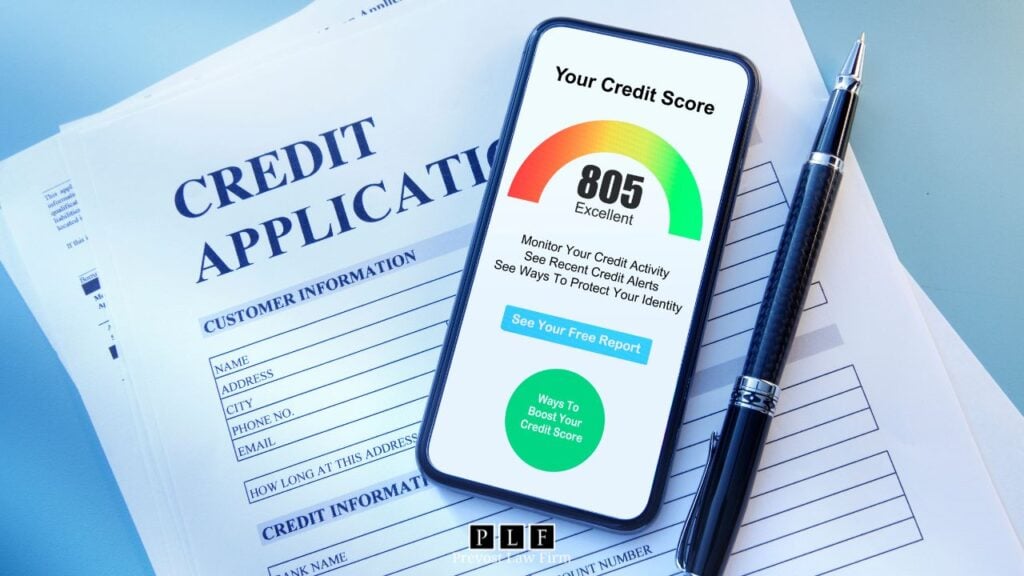
Use credit monitoring tools
Credit monitoring services track activities on your report, alerting you to suspicious changes. Simultaneously, they help identify areas for improvement without affecting your score. Notably, monitoring helps detect identity theft early, allowing you to dispute errors promptly.
Work with a credit counselor if needed
Credit counseling offers personalized guidance on budgeting and debt management. Markedly, reputable counselors provide educational resources to help achieve your financial goals. Choose nonprofit organizations accredited by the National Foundation for Credit Counseling.
Understand your rights under bankruptcy law
Bankruptcy law generally requires an individual debtor to complete credit counseling from an approved provider before filing. After filing, the debtor must complete a separate personal financial management course before the court enters a discharge, subject to limited statutory exceptions. Use a provider approved by the U.S. Trustee Program and follow the applicable filing deadlines.
How to Rebuild Credit After Bankruptcy Conclusion
Rebuilding credit after bankruptcy requires patience and consistent effort, but the good news is that your financial health can recover faster than you might expect.
Though a bankruptcy filing may remain on your credit history for years, some consumers may see credit-score improvement within 12 to 18 months after discharge. There is no guaranteed recovery timeline, and individual results vary.
Your first step after receiving a bankruptcy discharge should focus on reviewing your credit report for accuracy. Additionally, establishing on-time payments for all bills creates the foundation for credit recovery. Creating a realistic budget with room for an emergency fund prevents sliding back into hard times.
Secured credit cards can be helpful tools for rebuilding credit after bankruptcy. These cards generally require a cash deposit and can provide an opportunity to establish positive payment history when used responsibly. Therefore, using these cards wisely—making small purchases and paying balances in full—demonstrates responsibility to major credit bureaus.
Credit builder loans from credit unions or community banks complement your credit mix when paired with revolving credit. This balanced approach helps financial institutions see you as less risky.
Over time, a stronger credit history may improve your eligibility for more favorable terms, but approval and pricing depend on each lender’s criteria and your circumstances.
Long-term financial stability depends on maintaining good credit habits. As a general guideline, keep credit utilization below 30% of available credit; lower utilization may be favorable under some scoring models, but no single percentage guarantees a particular score. Apply for new accounts sparingly to minimize hard inquiries. Credit monitoring tools help track your progress while alerting you to potential identity theft issues.
Financial advisors often recommend becoming an authorized user on a family member’s card with good standing as another strategy to boost your score. This approach can help establish credit history without requiring approval based on your own profile.
The bankruptcy process, though challenging, offers a clean slate and fresh start. Some people may see their credit scores improve after discharge, depending on their prior credit history and post-bankruptcy financial activity. Consistent payment and credit-management habits may support improvement over time, but outcomes and timelines vary.
Remember that rebuilding credit takes time and hard work. Nevertheless, each on-time payment moves you closer to financial health. Though bankruptcy might feel like a setback, it often becomes the catalyst for developing stronger money management skills and achieving lasting financial stability.
How to Rebuild Credit After Bankruptcy FAQs
What should I do if I want to know how to rebuild credit after bankruptcy?
While bankruptcy remains on your credit report for 7-10 years, you can start rebuilding credit immediately. Some consumers may see improvement within 12 to 18 months after discharge, but no particular timeline or score increase is guaranteed. Responsible credit use and on-time payments may support improvement over time.
What are the best credit cards for how to rebuild credit after bankruptcy?
Secured credit cards are often an option after bankruptcy because they require a refundable deposit that generally helps establish the credit limit. Compare fees, interest rates, deposit requirements, reporting practices, approval criteria, and current issuer terms before applying.
Can I get a loan after filing for bankruptcy?
Yes, but it may take time to qualify for favorable terms. Initially, focus on secured credit cards and credit-builder loans from credit unions. As your credit profile improves over time, you may have a better chance of qualifying for traditional loans, but approval, interest rates, and other terms depend on the lender and your circumstances.
How long does bankruptcy stay on my credit report?
A bankruptcy case may generally be reported for up to 10 years from the order for relief. In a typical voluntary case, that is the filing date. Although federal law permits reporting for up to 10 years, major credit bureaus commonly state that completed Chapter 13 cases are removed after seven years. Individual account information may be subject to different reporting periods.
What are some effective long-term habits for how to rebuild credit after bankruptcy?
Key habits include keeping credit utilization relatively low, making payments on time, applying for new credit sparingly, monitoring your credit reports, and working with a credit counselor if needed. As a general guideline, utilization below 30% may be helpful, but no specific percentage guarantees a particular score.
Consistently practicing these habits may help improve your credit over time.
Ready to Explore Your Debt Relief Options?
To learn more about how bankruptcy may help you and what options may be available, book a no-cost debt relief consultation here.
We’ll review your situation and help you understand the options that may fit your circumstances. No pressure.
This content is for informational purposes only and does not constitute legal advice or create an attorney-client relationship. We are a debt relief agency. We help people file for bankruptcy relief under the Bankruptcy Code.