
This content is for informational purposes only and does not constitute legal advice or create an attorney-client relationship. We are a debt relief agency. We help people file for bankruptcy relief under the Bankruptcy Code.
David Crosby was one of the most influential musicians of his generation. As a founding member of The Byrds and later Crosby, Stills & Nash, he helped shape the sound of folk rock and classic rock during the 1960s and 1970s.
With hit records, sold-out tours, and a place in music history, Crosby achieved a level of success that many artists only dream about.
However, despite decades of professional accomplishments, Crosby faced serious financial difficulties that eventually led him to file for bankruptcy protection.
His story demonstrates that even highly successful individuals can encounter overwhelming financial challenges. More importantly, it shows that financial setbacks do not have to define the rest of a person’s life.

Financial Snapshot: David Crosby
- Full Name: David Crosby
- Bankruptcy Type: Chapter 11 Reorganization
- Year Filed: 2000
- Reported Debt: Approximately $1.5 million
- Main Financial Factors: Reduced touring income, legal expenses, ongoing financial obligations, and limited cash flow
- Outcome: Reorganized debts, returned to touring and recording, and continued performing successfully for many years
The Story of What Happened
By the late 1990s, Crosby had experienced decades of success in the music industry. However, like many entertainers, his financial situation was not always reflected by his public image.
Over the years, Crosby faced numerous personal and professional challenges, including health issues, legal expenses, and periods when touring and recording opportunities became less consistent.
While he continued working, maintaining financial stability became increasingly difficult.
In 2000, Crosby filed for Chapter 11 bankruptcy protection. Public reports indicated that he was dealing with approximately $1.5 million in debt and financial obligations that had become difficult to manage.
Unlike a Chapter 7 filing, which generally focuses on liquidating assets, Chapter 11 is designed to allow individuals or businesses to reorganize debts while continuing to generate income and maintain operations.
For Crosby, the filing provided an opportunity to address his financial obligations through a structured legal process while continuing to work as a musician.
Understanding the Bankruptcy
David Crosby filed under Chapter 11 of the U.S. Bankruptcy Code.
Chapter 11 is commonly associated with businesses, but individuals with complex financial situations can also use it. The process allows debtors to develop a repayment and restructuring plan under court supervision.
Several key benefits of Chapter 11 include:
- Temporary protection from many creditor collection efforts through the automatic stay
- Court-supervised debt restructuring
- Negotiation opportunities with creditors
- The ability to continue earning income and managing assets
In Crosby’s case, Chapter 11 provided breathing room while he worked to stabilize his finances and continue his professional career.
Bankruptcy did not erase every challenge he faced. However, it provided a framework for addressing debts in an organized manner rather than dealing with multiple financial pressures simultaneously.
Lessons From David Crosby’s Financial Challenges
Crosby’s experience offers several important lessons.
Success Does Not Guarantee Financial Security
Many people assume that successful entertainers never face money problems. In reality, income can fluctuate significantly, especially in industries that depend on touring, recording contracts, and public demand.
Financial Problems Often Develop Gradually
Major financial setbacks are rarely caused by a single event. More often, they result from a combination of factors that build over time.
Health concerns, reduced income, legal expenses, and ongoing obligations can slowly create financial strain.
Asking for Help Is Not Failure
Many people delay seeking financial assistance because they fear judgment or embarrassment.
Crosby’s experience highlights the importance of taking action when financial problems become difficult to manage. Legal tools exist to help people address overwhelming debt and create a path forward.
What Happened After Bankruptcy
Following his bankruptcy filing, Crosby continued to focus on his music career.
He returned to touring, recording, and performing both as a solo artist and with longtime collaborators.
In the years that followed, he experienced a creative resurgence that surprised many observers.
Rather than slowing down, Crosby released multiple critically acclaimed albums later in life. He also continued appearing at concerts, festivals, and special events around the world.
His willingness to continue creating and performing helped him maintain relevance across multiple generations of music fans.
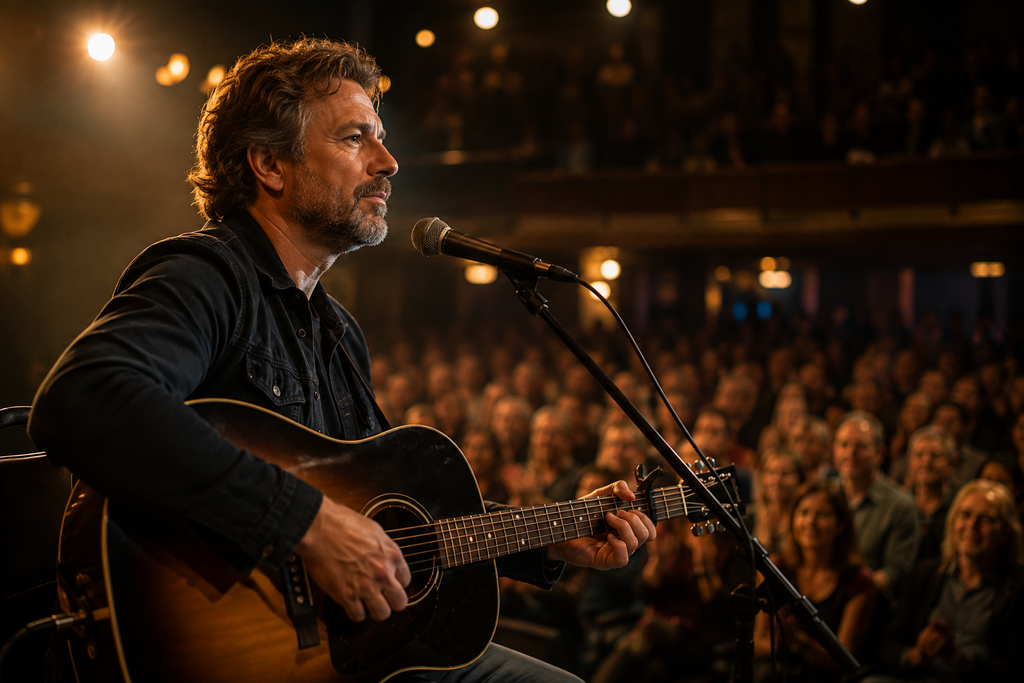
The Comeback
David Crosby’s comeback was not defined by chart positions or financial headlines.
Instead, it was defined by persistence.
After facing personal challenges, health concerns, addiction struggles, and financial difficulties, he continued doing what he loved most: making music.
By focusing on his craft and continuing to work, Crosby rebuilt both his career and his financial footing.
His story serves as a reminder that bankruptcy is not necessarily the end of a person’s professional journey. In many cases, it can become part of a larger story about resilience, adaptation, and moving forward.
For anyone facing financial pressure today, that may be the most important takeaway.
Financial setbacks can change your circumstances, but they do not have to determine your future.
Frequently Asked Questions
David Crosby filed for Chapter 11 bankruptcy protection in 2000.
Public reports cited financial obligations, reduced income, legal expenses, and ongoing financial pressures as contributing factors.
Chapter 11 is a reorganization bankruptcy that allows individuals or businesses to restructure debts while continuing operations and income-generating activities.
No. Crosby continued recording music, touring, and performing for many years after his bankruptcy filing.
Many individuals successfully rebuild after bankruptcy. The process is designed to provide legal protections and a framework for addressing overwhelming debt.
His story highlights the importance of financial planning, adaptability, and taking action when financial challenges become difficult to manage.
References
- United States Courts – Chapter 11 Bankruptcy Basics
- Encyclopaedia Britannica – Meat Loaf Biography
- Rock & Roll Hall of Fame Resources
- Biography.com – Meat Loaf
- Rolling Stone Archive – Meat Loaf Coverage
- RIAA Gold & Platinum Database
Ready to Explore Your Debt Relief Options?
To learn more about how bankruptcy may help you and what options may be available, book a no-cost debt relief consultation here.
We’ll review your situation and help you understand the options that may fit your circumstances. No pressure.
This content is for informational purposes only and does not constitute legal advice or create an attorney-client relationship. We are a debt relief agency. We help people file for bankruptcy relief under the Bankruptcy Code.