This content is for informational purposes only and does not constitute legal advice or create an attorney-client relationship.
This content is for informational purposes only and does not constitute legal advice or create an attorney-client relationship.
Many homeowners choose solar energy hoping to lower their utility bills and reduce their environmental impact. While many solar installations deliver those benefits, others have led to unexpected financial and legal challenges.
Some homeowners report problems such as systems that do not perform as promised, installation delays, unexpected financing terms, or disputes over warranties and maintenance responsibilities. When these issues cannot be resolved directly with the solar company, many people begin searching for a solar contract termination lawyer to better understand their legal options.
Although not every dispute results in terminating a contract, an attorney can help evaluate whether legal remedies may be available based on the specific facts of a case.

Common Reasons Homeowners Seek Legal Help
Every situation is different, but disputes involving residential solar contracts often include concerns such as:
- Alleged misrepresentations during the sales process
- Installation delays or incomplete work
- Equipment that does not perform as expected
- Financing terms that differ from what was discussed
- Difficulty obtaining repairs or warranty service
- Contract terms that were not fully understood before signing
Not every complaint means a contract can be cancelled. However, understanding your rights is an important first step.
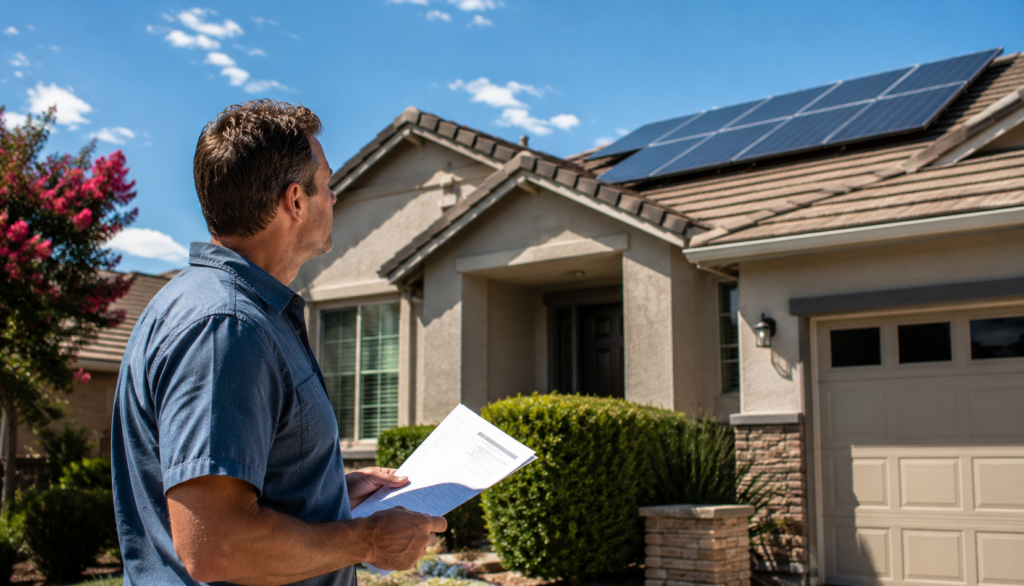
Understanding Solar Contract Disputes
Solar agreements often involve several different parties.
Depending on the project, a homeowner may be working with:
- A sales company
- An installation contractor
- A financing company
- An equipment manufacturer
- A maintenance provider
When problems arise, determining who is legally responsible can become complicated.
For this reason, homeowners often benefit from reviewing all signed documents before making decisions about their next steps.
When Can a Solar Contract Be Challenged?
Whether a contract can be terminated depends on the specific facts and applicable state law.
Some situations that may warrant legal review include:
- Alleged fraudulent or misleading sales practices
- Material breach of contract
- Failure to install the agreed system
- Failure to provide promised services or warranties
- Violations of applicable consumer protection laws
An attorney can evaluate whether these or other legal issues may apply.
It is important to remember that not every disappointing experience automatically gives someone the right to cancel a contract.
Consumer Protection May Apply
Federal and state consumer protection laws exist to help address unfair or deceptive business practices.
Depending on the circumstances, homeowners may have rights relating to:
- Misleading advertising
- False or incomplete disclosures
- Contract violations
- Financing disclosures
- Certain cancellation rights under applicable law
The protections available vary depending on the facts of each case and the laws of the state where the transaction occurred.
What Should Homeowners Do If Problems Arise?
If you believe there is a problem with your solar contract, documenting everything can be extremely valuable.
Helpful records may include:
- The signed contract
- Sales brochures or advertisements
- Emails and text messages
- Utility bills before and after installation
- Photos of the installation
- Service requests and repair records
Keeping organized documentation can help clarify what occurred if a dispute later develops.
Lessons for Consumers
Solar systems can be a worthwhile investment, but every major purchase deserves careful review.
Before signing any agreement, consumers should:
- Read the entire contract carefully.
- Ask questions about financing and repayment.
- Understand warranty coverage.
- Avoid feeling pressured into making an immediate decision.
- Request copies of every document before signing.
Taking extra time at the beginning may help prevent misunderstandings later.
Moving Forward
Experiencing problems with a solar installation can be frustrating, particularly when significant financial commitments are involved.
Fortunately, homeowners do not have to navigate complex contracts alone.
If negotiations with the company are unsuccessful, consulting an attorney may help clarify your legal rights and available options.
Every situation is unique, and obtaining legal advice based on your specific circumstances is often the best way to determine the appropriate next step.
Frequently Asked Questions
Possibly. Whether a contract can be cancelled depends on the specific agreement, the facts surrounding the transaction, and applicable state law.
Production issues may have several causes. Reviewing the installation, warranty documents, and contract terms can help determine whether legal or contractual remedies may be available.
That depends on the circumstances. Written contracts generally control the agreement, although verbal representations may be relevant in certain legal disputes.
Do not stop making payments without first obtaining legal advice. Doing so could have additional legal or financial consequences.
If you believe you were misled, the installation was not completed properly, or the company has failed to meet its contractual obligations, an attorney can review your situation and explain your legal options.
Final Thoughts
Solar energy has helped many homeowners reduce energy costs, but not every project goes according to plan.
When disputes arise, understanding your rights is the first step toward making informed decisions.
Whether the issue involves installation problems, financing concerns, or questions about the contract itself, seeking legal guidance may help you better understand the options available under the law.
If you have concerns about a residential solar agreement, consider speaking with a qualified attorney who can evaluate your individual circumstances.
References
- Federal Trade Commission — Cooling-Off Rule
https://www.ftc.gov/business-guidance/resources/complying-cooling-rule - Federal Trade Commission — Consumer Protection Resources
https://www.consumer.ftc.gov - Consumer Financial Protection Bureau
https://www.consumerfinance.gov - U.S. Department of Energy — Homeowner’s Guide to Going Solar
https://www.energy.gov/eere/solar/homeowners-guide-going-solar
Ready to Explore Your Debt Relief Options?
To learn more about how bankruptcy may help you and what your options are, book a no-cost debt relief consultation here .
We’ll review your situation and help you understand the next best step. No pressure.
This content is for informational purposes only and does not constitute legal advice or create an attorney-client relationship.